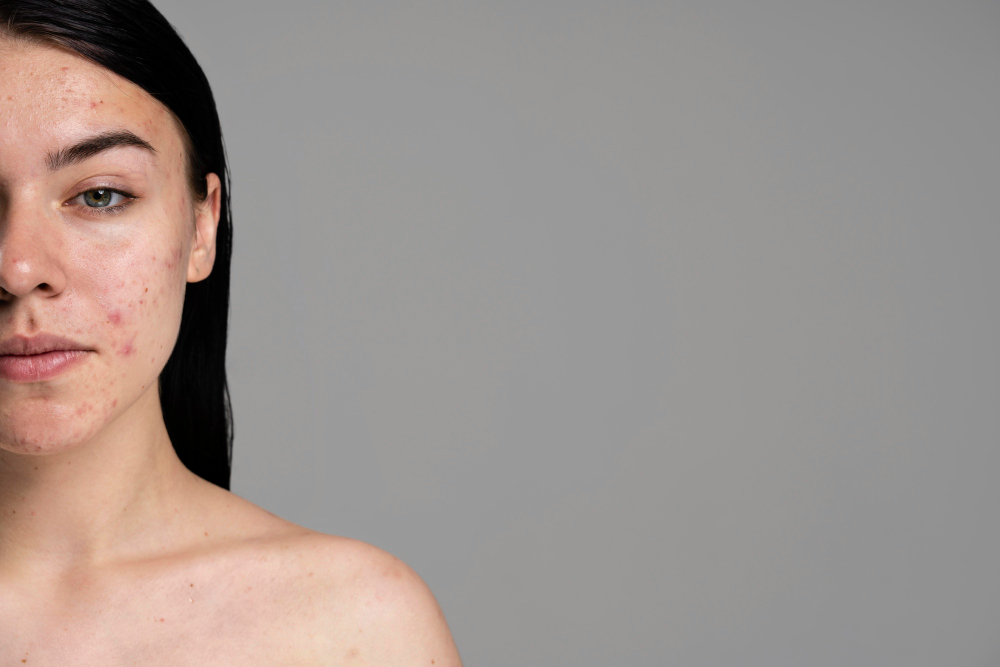
What Is Acne?
Acne is a common skin condition that affects people of all ages. It often appears as pimples, blackheads, or whiteheads on the face, chest, or back. Many people search for ways to get rid of acne and want to know the best acne remedies. Although acne is not dangerous, it can cause stress and affect self-confidence. Understanding acne helps you find the right treatment and care.
Common Symptoms of Acne
Acne can look different for each person. However, most people notice these signs:
Sometimes, acne can leave marks or scars if not treated properly. So, early care is important.
Main Causes and Risk Factors
Acne happens when hair follicles get clogged with oil and dead skin cells. But, several things can make acne worse. For example, hormones often play a big role, especially during puberty. In addition, other causes and risk factors include:
Although anyone can get acne, teenagers and young adults are most likely to have it. Still, adults can also develop acne.
How Is Acne Diagnosed?
Doctors usually diagnose acne by looking at your skin. They check the type and number of spots. Sometimes, they ask about your health, diet, or medicines. In rare cases, a doctor may suggest blood tests to check hormone levels. But, most of the time, no special tests are needed.
Effective Acne Treatment Options
There are many ways to treat acne. The best acne treatment depends on how severe your acne is. For mild cases, home care and over-the-counter products may help. For more severe acne, a doctor may suggest stronger medicines. Here are some common treatments:
For the best results, follow your doctor’s advice and give treatments time to work. Usually, it takes several weeks to see improvement.
Lifestyle Tips for Managing Acne
While medicine helps, daily habits also matter. For example, you can manage acne better by following these tips:
Additionally, always remove makeup before sleeping. These steps can help prevent new breakouts.
Prevention Strategies
Although you cannot always prevent acne, you can lower your risk. Try these prevention tips:
With regular care, many people see fewer breakouts over time.
When to See a Dermatologist
Sometimes, home care is not enough. You should see a dermatologist if:
Moreover, a dermatologist can suggest the best acne remedies for your skin type. They can also help prevent scars and boost your confidence.
Conclusion
Acne is a common problem, but many treatments can help. Early care, healthy habits, and the right products make a big difference. If you struggle with acne, do not wait. Consult Swetha Skin & Children’s Clinic for personalized acne treatment and advice.