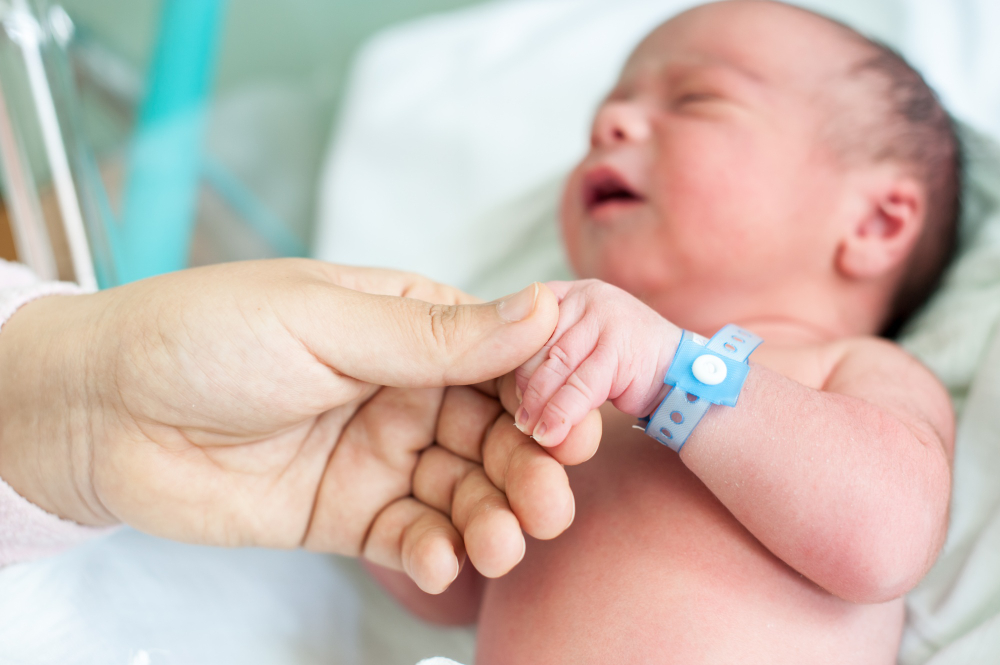
Introduction
Every parent wants the best for their baby. That’s why newborn screening is essential. This simple health test checks for rare but serious conditions in newborns. Early detection in infants can make a big difference. In fact, newborn screening helps doctors find problems before symptoms appear. As a result, babies can get the care they need right away. Let’s explore why newborn screening is so important for your child’s healthy start.
What Is Newborn Screening?
Newborn screening is a set of quick and safe tests done soon after birth. These tests look for certain health conditions that may not show signs at first. Usually, a small blood sample is taken from your baby’s heel. Sometimes, doctors also check hearing and heart health. Because these tests are simple, they do not harm your baby. In the US and many other countries, newborn screening is a standard part of infant care.
Why Is Newborn Screening Essential?
Newborn screening is essential because it can save lives. Many health problems found by these tests are rare. However, if not treated early, they can cause serious harm. For example, some conditions can lead to brain damage, growth problems, or even death. With early detection, doctors can start treatment before any damage happens. Therefore, newborn screening gives your baby the best chance for a healthy life.
Common Conditions Detected by Newborn Screening
Newborn health tests check for many conditions. Some of the most common include:
Because these conditions may not show signs right away, screening is the only way to find them early.
How the Screening Process Works
The screening process is simple and quick. Here’s what usually happens:
Because the process is safe, most babies do not feel much discomfort. Results are usually ready within a few days.
Benefits of Early Detection and Intervention
Early detection in infants brings many benefits. For instance, it allows doctors to start treatment before problems develop. This can prevent serious health issues, such as brain damage or physical disabilities. In many cases, early care means your child can grow up healthy and strong. According to the CDC, newborn screening in the US finds thousands of babies with treatable conditions each year. Therefore, these tests are a key part of pediatric screening benefits.
Addressing Common Concerns and Misconceptions
Some parents worry about newborn screening. However, the tests are safe and quick. The blood sample is very small. Also, the tests do not hurt your baby in the long run. Sometimes, a test may show a possible problem when there is none. If this happens, your doctor will do more tests to be sure. Remember, it is better to check early than to miss a serious health issue.
Guidance for Parents: What to Expect and Next Steps
After your baby is born, ask your doctor about newborn screening. Most hospitals do these tests as part of routine care. You can expect:
If a problem is found, your doctor will guide you on the next steps. Early treatment can make a big difference. So, always talk to your pediatrician if you have questions or concerns.
Conclusion
In summary, newborn screening is essential for your baby’s health. It helps find serious problems early, often before any signs appear. Because of this, your child can get the care they need right away. Consult your pediatrician at Swetha Skin & Children’s Clinic to learn more about newborn screening and ensure your baby’s healthy start.