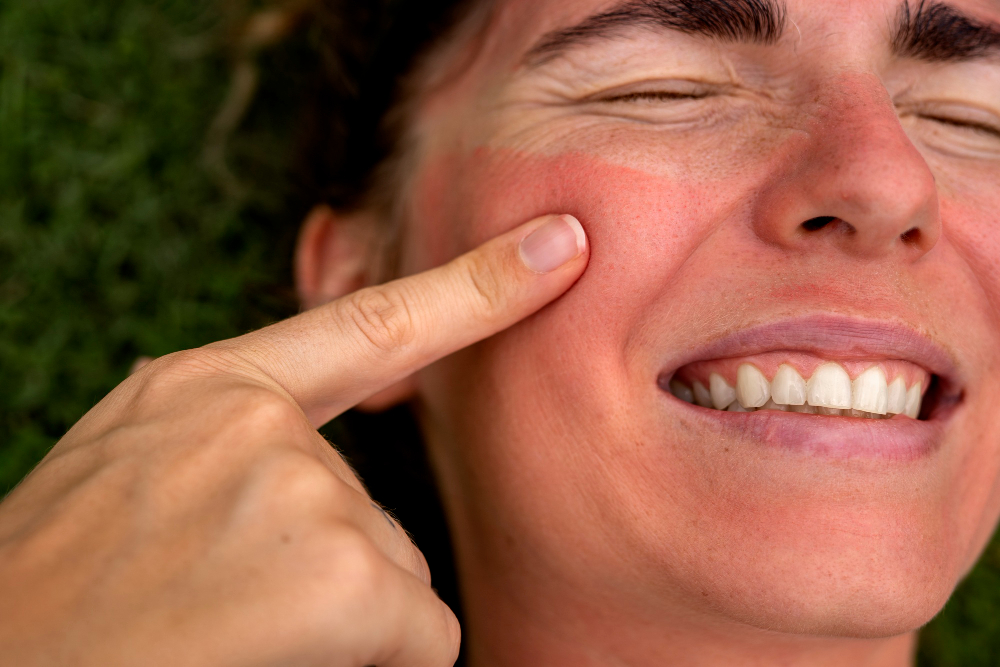
What is Photosensitivity Disorder?
Photosensitivity disorder is a condition where the skin reacts strongly to sunlight or artificial light. People with this disorder may notice rashes, redness, or itching after being in the sun. Because the skin is more sensitive, even short exposure can cause problems. This condition is also called sun sensitivity, light allergy, or photosensitive skin. For many, it affects daily life and outdoor activities. Understanding photosensitivity disorder helps you protect your skin and avoid discomfort.
Common Symptoms
Symptoms of photosensitivity disorder can vary from person to person. However, some signs are more common. Early recognition helps you seek help sooner. Common symptoms include:
Sometimes, symptoms appear within minutes. Other times, they may show up hours later. If you notice these signs often after being in the sun, you may have photosensitivity disorder.
Main Causes and Risk Factors
There are several causes of photosensitivity disorder. Some people are born with sensitive skin. Others develop it due to certain triggers. Understanding the causes can help you manage the condition better. Main causes and risk factors include:
Additionally, people with fair skin or a family history of sun sensitivity are at higher risk. According to the CDC, some medical conditions can make the skin more sensitive to light.
How is Photosensitivity Disorder Diagnosed?
Doctors use several steps to diagnose photosensitivity disorder. First, they ask about your symptoms and medical history. Next, they may perform a physical exam. Sometimes, doctors use special light tests to see how your skin reacts. Blood tests can help rule out other conditions. In some cases, a skin biopsy may be needed. Early diagnosis helps you start treatment sooner and avoid further skin damage.
Treatment Options
Treatment for photosensitivity disorder depends on the cause and severity. However, most people benefit from a mix of medical care and lifestyle changes. Common treatment options include:
Always follow your doctor’s advice before starting or stopping any treatment. According to the World Health Organization, early treatment can prevent long-term skin problems.
Lifestyle Tips and Prevention
While treatment helps, prevention is key for managing photosensitive skin. With a few changes, you can lower your risk of flare-ups. Try these tips:
For example, reapplying sunscreen every two hours can make a big difference. In addition, planning outdoor activities in the early morning or late afternoon helps reduce exposure.
When to See a Doctor
If you notice frequent or severe skin reactions after sun exposure, it is important to seek medical advice. Also, if over-the-counter treatments do not help, a doctor can offer stronger options. Sometimes, photosensitivity disorder may signal an underlying health problem. Therefore, early medical care is always best. Your doctor at Swetha Skin & Children’s Clinic can help you find the right diagnosis and treatment plan.
In summary, photosensitivity disorder can affect your daily life, but you can manage it with the right steps. Consult Swetha Skin & Children’s Clinic for personalized advice on managing photosensitivity disorder.