What is Psoriasis?
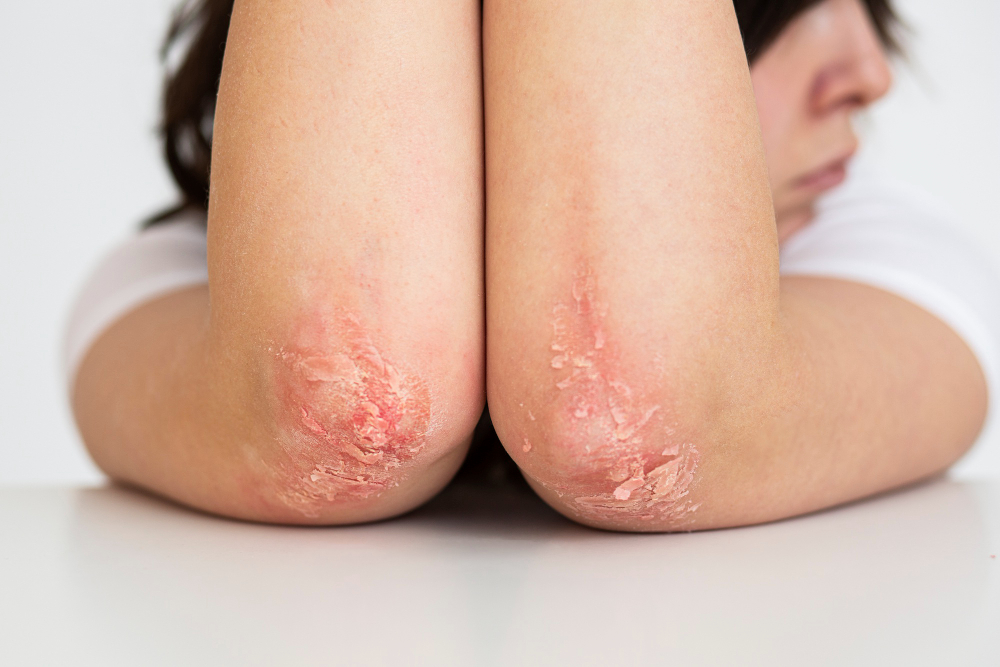
Psoriasis is a long-term skin condition that causes red, scaly patches on the skin. These patches can appear anywhere, but they often show up on the elbows, knees, scalp, and lower back. Although psoriasis is not contagious, it can be uncomfortable and sometimes painful. Many people with psoriasis notice that the symptoms come and go. According to the World Health Organization (WHO), about 2–3% of people worldwide have psoriasis. While the exact cause is not fully known, experts believe it is linked to the immune system.
Common Symptoms of Psoriasis
Psoriasis symptoms can vary from person to person. However, some signs are more common than others. Early detection can help you manage symptoms better. Look for these signs:
Sometimes, symptoms get worse during certain times, such as winter or after stress. But with the right care, you can reduce flare-ups.
Causes and Risk Factors
Doctors do not know the exact cause of psoriasis. Still, they believe it happens when the immune system attacks healthy skin cells by mistake. This causes skin cells to grow too quickly, leading to thick patches. Several factors can increase your risk:
Even though you cannot change some risk factors, you can manage others to help reduce flare-ups.
How Psoriasis is Diagnosed
Doctors usually diagnose psoriasis by looking at your skin. They may ask about your symptoms and family history. Sometimes, they take a small sample of skin (called a biopsy) to rule out other conditions. Early diagnosis can help you start treatment sooner. If you notice any unusual skin changes, see a dermatologist for a proper check-up.
Treatment Options for Psoriasis
There is no cure for psoriasis, but many treatments can help control symptoms. Your doctor will suggest the best plan based on your needs. Common psoriasis treatment options include:
In addition, lifestyle changes can make a big difference. For example, keeping your skin moist and avoiding triggers can help manage psoriasis at home.
Tips for Living with Psoriasis
Living with psoriasis can be challenging, but you can take steps to feel better. Try these tips:
Remember, support from family and friends can also help you cope with the emotional side of psoriasis.
Prevention and Self-Care Strategies
While you cannot always prevent psoriasis, you can lower your risk of flare-ups. Consider these self-care strategies:
By making these changes, you can improve your skin health and overall well-being.
Conclusion
Psoriasis is a common skin condition that can affect your daily life. However, with the right treatment and self-care, you can manage symptoms and enjoy a better quality of life. Consult Swetha Skin & Children’s Clinic for personalized advice on managing psoriasis.