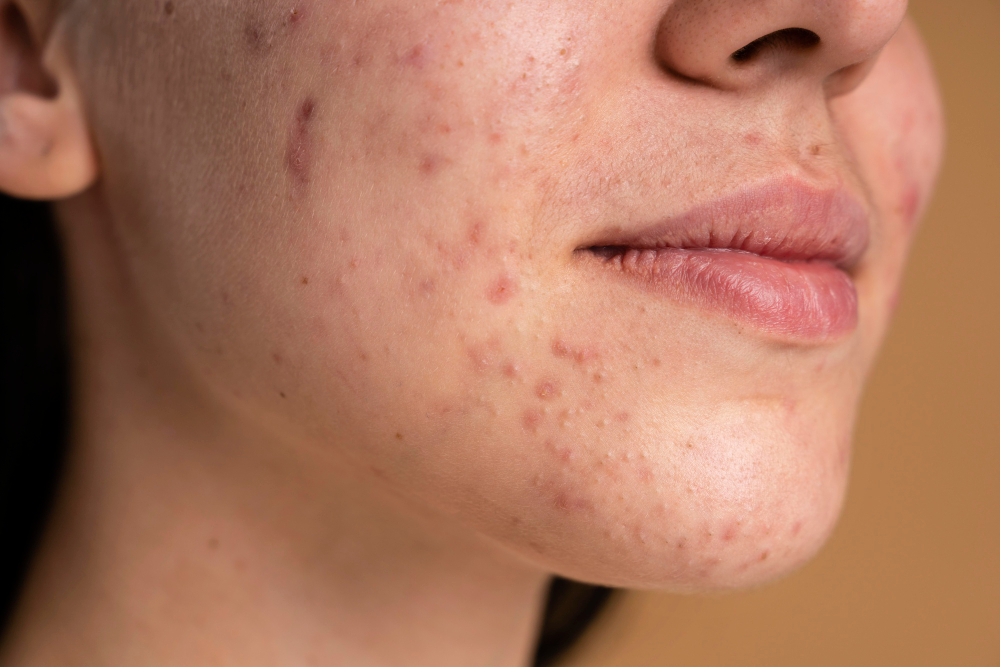
What Are Acne Scars?
Acne scars are marks left on the skin after pimples heal. Many people worry about acne scars because they can affect how skin looks and feels. These scars form when the skin tries to repair itself after deep or inflamed acne. Sometimes, the healing process does not go smoothly. As a result, scars may appear. While acne scars are common, there are ways to treat and prevent them.
Common Causes of Acne Scars
Not everyone who has acne will get scars. However, certain things can increase the risk. For example, picking or squeezing pimples can damage the skin and lead to scars. Deep or inflamed acne, like cysts or nodules, is more likely to leave marks. Genetics also play a role. If your parents have acne scars, you may be more likely to get them too. In addition, delayed or improper treatment can make scarring worse.
Types of Acne Scars
There are several types of acne scars. Each type looks different and may need a unique treatment. Knowing the type of scar can help you choose the best care. Here are the main types:
Diagnosis and Assessment
To treat acne scars well, a doctor or dermatologist will first examine your skin. They may ask about your acne history and how long you have had scars. Sometimes, they use a bright light or magnifier to look closely at the skin. In most cases, no special tests are needed. However, a careful assessment helps choose the best treatment. Early diagnosis can lead to better results.
Effective Treatment Options
There are many ways to treat acne scars. The best treatment depends on the type and depth of the scars. Some treatments work better for certain skin types. Here are some common options:
It is important to talk to a dermatologist before starting any treatment. Some treatments may cause side effects or need several sessions for best results. According to the American Academy of Dermatology, combining treatments often gives better outcomes.
Prevention Tips
Preventing acne scars is easier than treating them. While not all scars can be avoided, these steps can help:
Lifestyle Guidance for Healthier Skin
Healthy habits can support clear skin and reduce the risk of scars. For example, eating a balanced diet with fruits and vegetables helps skin heal. Drinking enough water keeps skin hydrated. In addition, washing your face gently twice a day removes dirt and oil. Always use sunscreen to protect your skin from damage. If you wear makeup, choose non-comedogenic products that do not clog pores. Finally, manage stress, as it can trigger acne breakouts.
Acne scars can be managed with the right care and advice. Consult a dermatologist at Swetha Skin & Children’s Clinic for personalized advice on managing acne scars.